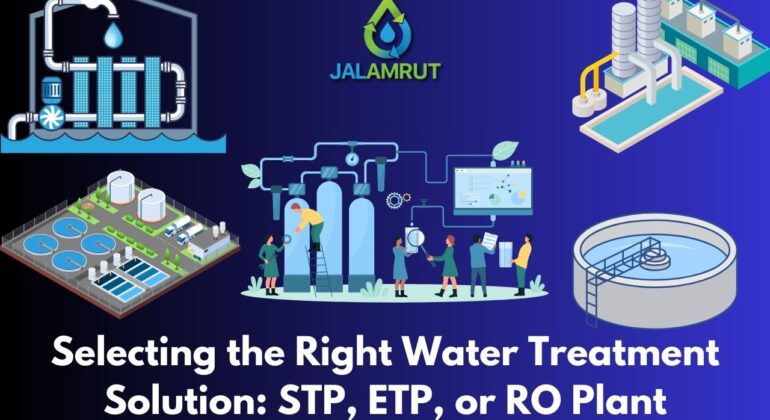
Selecting the Right Water Treatment Solution: STP, ETP or RO Plant

Choose STP, ETP, or RO Plant based on water type, contaminants, and purpose; ensure compliance, cost-effectiveness, and environmental sustainability
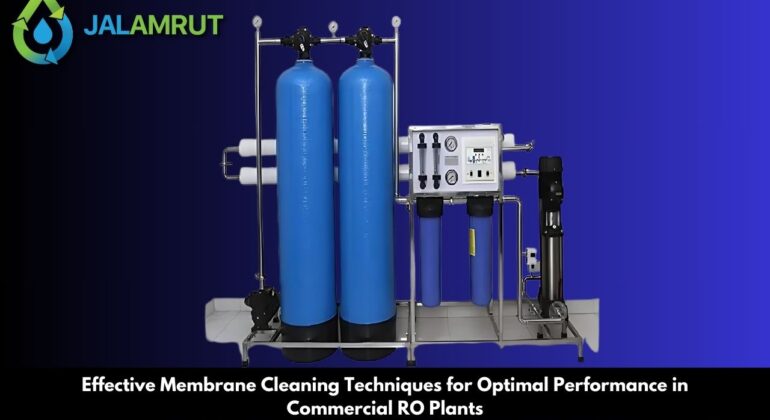
Commercial RO plants use various membrane cleaning processes to maintain efficiency. Hydraulic cleaning removes loose debris, while chemical cleaning uses acids, alkalis, enzymes
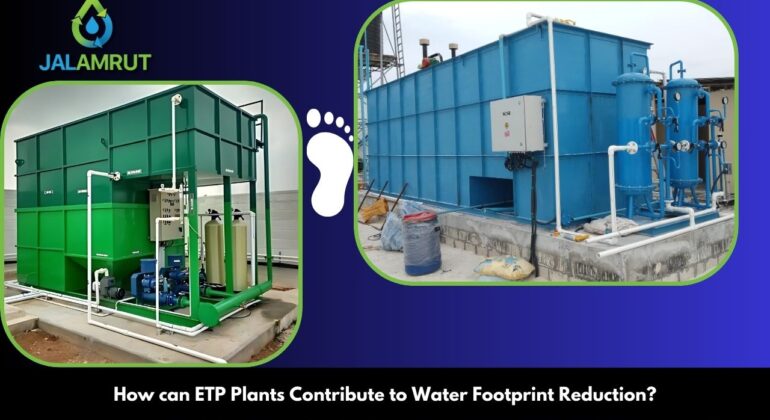
ETP reduces water footprints by treating wastewater, enabling water reuse, improving energy efficiency, recovering resources, and ensuring regulatory compliance
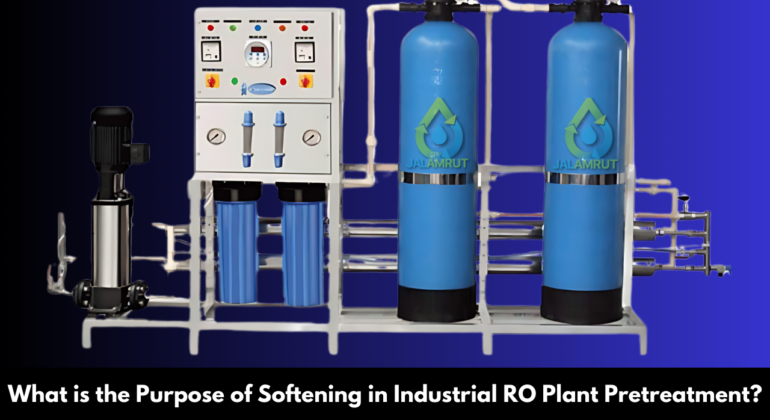
What is the Purpose of Softening in Industrial RO Plant Pretreatment?
Introduction: Exploring Ultrafiltration in Water Treatment. Water is an essential resource for life, and ensuring its purity is crucial for the health and well-being of communities worldwide. With increasing concerns about water pollution and scarcity, the demand for effective water purification technologies has never been greater. Among